



TECH TALK
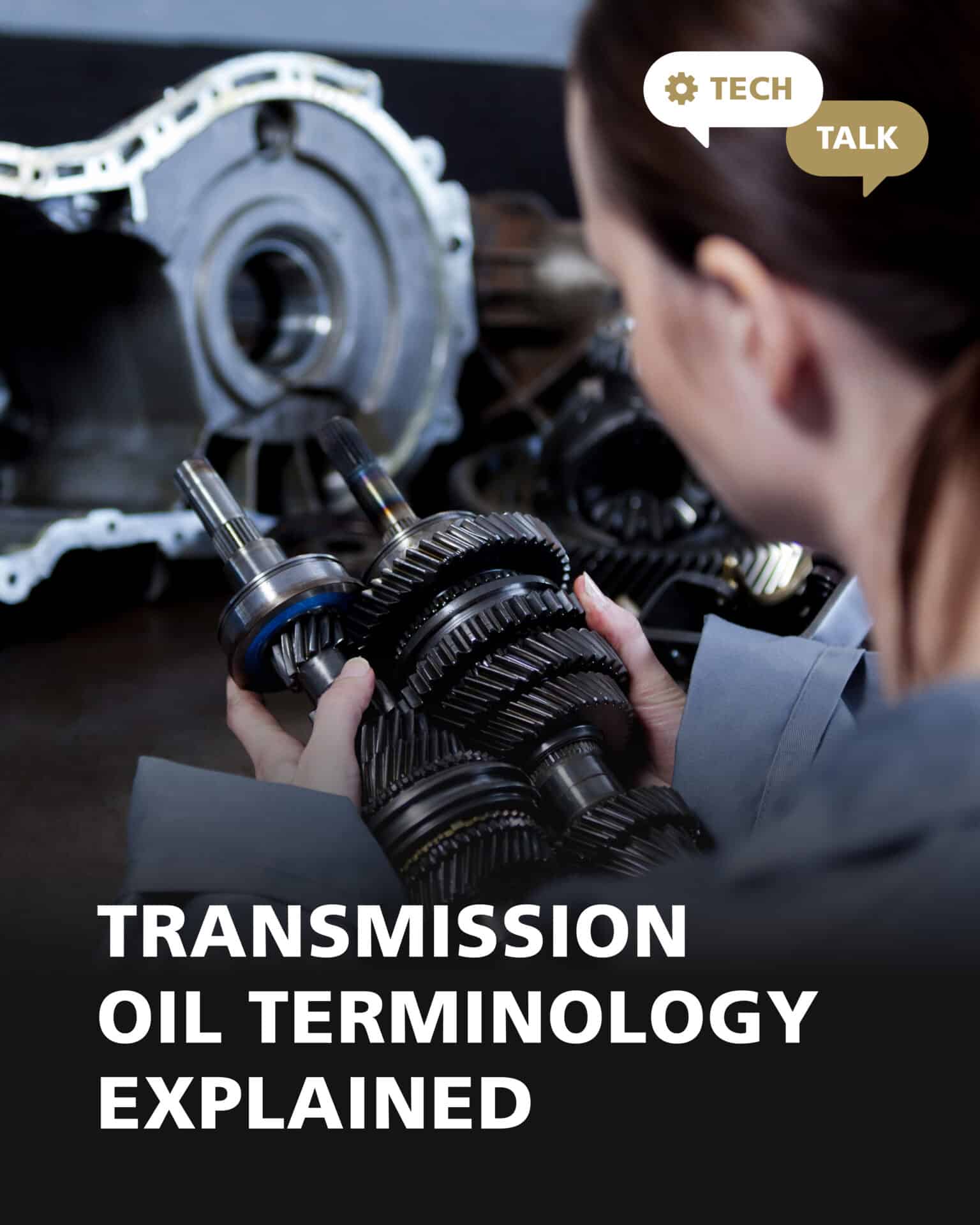
Terminology explained: transmission oil and terms like LSD, TDL, GL4 and GL5
Transmission oil is essential for the proper functioning of driveline components, but the terminology used is often confusing. Terms like GL4, GL5, LSD and TDL are frequently misunderstood or used interchangeably.
In this article, we explain these concepts in a clear and practical way, so you know what you need and why.
What does transmission oil do?
Transmission oil ensures that components within a transmission operate smoothly and reliably.
Its main functions are:
- lubricating gears and bearings
- reducing wear
- dissipating heat
- protecting against corrosion
In addition, transmission oil plays a crucial role in the performance of synchronizers. The correct level of friction is essential here. Too much or too little friction can result in poor shifting or even damage.
GL4 and GL5 explained
GL4 and GL5 are specifications that indicate how well an oil performs under pressure and load.
GL4 oil:
- suitable for manual transmissions
- contains less aggressive additives
- protects synchronizers effectively
GL5 oil:
- designed for high load applications such as differentials
- contains stronger additives for extreme pressure
- may be less suitable for transmissions with synchronizers
Important:
GL5 is not automatically a replacement for GL4. In some cases, it can even cause damage to synchronizer components.
Always follow the manufacturer’s specification.
What does LSD mean?
LSD stands for Limited Slip Differential.
This type of differential helps distribute power more effectively between wheels, especially in low grip situations.
LSD systems require specific oil with tailored friction properties. This ensures smooth operation and prevents unwanted noise or vibrations.
Using the wrong oil can lead to chatter, wear and reduced performance.
And what is TDL?
TDL stands for Total Drive Line.
This type of oil is designed for use in both transmissions and differentials. It combines multiple properties into one product.
Benefits of TDL:
- versatile application
- reduces risk of incorrect usage
- suitable for combined systems
However, it is still important to verify that TDL meets the manufacturer’s requirements.
Which oil do you need?
Choosing the right oil depends on the system and vehicle specifications.
Always consider the following:
- is it a manual transmission or a differential
- are synchronizers present
- does the system include an LSD
- what specifications does the manufacturer require
The OEM specification is always leading. Following it ensures optimal performance and longevity.
Summary
In short:
- GL4 and GL5 indicate the level of protection and load capacity
- GL4 is suitable for synchronized transmissions
- GL5 is intended for high load applications like differentials
- LSD requires oil with specific friction characteristics
- TDL is versatile, but not always the right choice
Need advice?
Not sure which transmission oil is right for your application?
Feel free to contact Synmar. We are happy to help you find the right solution based on your specific needs.